
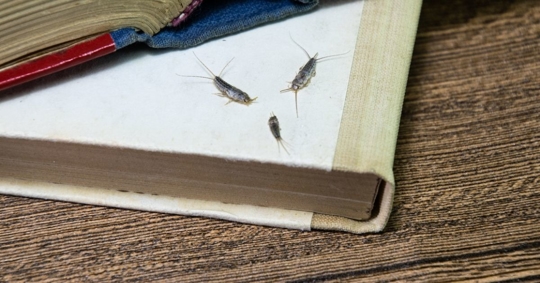
You're relaxing at home when you spot something scurrying across your bathroom floor—a centipede with what seems like a hundred legs. Or maybe you've noticed silvery, fish-shaped insects darting away when you move a stack of papers. These unexpected guests are what pest control professionals call "occasional invaders," and while they're typically harmless, nobody wants to share their living space with creepy crawlers.
Dealing with unwanted pests in your home? Don't wait for the problem to grow. Call (323) 716-1725 or fill out our online contact form today to schedule an inspection with A Step Above Pest Control & Termite.
Understanding Occasional Invaders
Occasional invaders are pests that don't typically live indoors year-round but wander into homes when outdoor conditions become unfavorable. Unlike termites or cockroaches that actively seek out human dwellings, these creatures usually end up inside by accident. They're looking for moisture, shelter, or more comfortable temperatures—and your home happens to provide all three.
The term "occasional" doesn't mean they show up once and leave. During certain times of the year, especially when weather patterns shift, you might encounter them regularly until conditions change. Fall and spring are prime seasons for these invaders, as they seek refuge from temperature extremes and moisture fluctuations.
Common Types of Occasional Invaders
Centipedes
These long, flat creatures are probably the most alarming occasional invaders due to their appearance and speed. House centipedes can have 15 to 177 pairs of legs (despite their name suggesting 100), and they move incredibly fast across floors and walls. They're actually beneficial predators that eat other insects, spiders, and even bed bugs. However, their creepy appearance and tendency to startle homeowners make them unwelcome guests. While they can bite if handled, they rarely do so and pose minimal health risks to people.
Silverfish
These small, wingless insects get their name from their silvery-gray color and fish-like movement. They're usually found in damp, dark areas like bathrooms, basements, and kitchens. Silverfish feed on carbohydrates and proteins, which means they'll munch on everything from book bindings and wallpaper paste to cereals and fabrics. While they don't bite or sting, they can damage your belongings over time, particularly books, photographs, and clothing.
Millipedes
Unlike centipedes, millipedes are slow-moving and have two pairs of legs per body segment. They're typically found outdoors in moist soil, leaf litter, and mulch. When conditions become too wet or dry outside, they seek shelter indoors. Millipedes don't bite, but some species can secrete a foul-smelling fluid that may irritate skin or stain surfaces.
Pillbugs and Sowbugs
These small, oval-shaped crustaceans (yes, crustaceans, not insects) are often called roly-polies. Pillbugs roll into a ball when threatened, while sowbugs cannot. They need high moisture levels to survive and typically die quickly indoors due to dehydration. You'll usually find them in basements, crawl spaces, or near entry points where moisture accumulates.
Crickets
While field crickets live outdoors, they often wander inside during late summer and fall. Their chirping can be charming in a garden but becomes annoying when it echoes through your home at night. Crickets are attracted to lights and can squeeze through surprisingly small openings. They may damage fabrics, particularly wool and silk, if they establish themselves indoors.
Why Occasional Invaders Enter Your Home
Understanding what attracts these pests can help you prevent future invasions. Several factors make your home appealing to occasional invaders:
- Moisture problems: Leaky pipes, poor ventilation, and water accumulation create ideal conditions for moisture-loving pests. Many occasional invaders require high humidity levels to survive, so areas with dampness become pest magnets.
- Weather changes: When it's too hot, too cold, too wet, or too dry outside, these creatures seek more stable conditions. Your climate-controlled home offers exactly what they need. Heavy rains can flood their outdoor habitats, forcing them to find higher ground—which might be your living room.
- Outdoor lighting: Lights near doors and windows draw insects, which in turn attract predatory centipedes. Once pests gather near your home's entry points, they're more likely to find their way inside.
- Entry points: Even well-maintained homes have small gaps around doors, windows, utility lines, and foundations. Occasional invaders can squeeze through openings as small as 1/16 of an inch. Cracks in the foundation, torn window screens, and gaps under doors are common entry routes.
How to Prevent Occasional Invaders
Taking proactive steps can significantly reduce the number of occasional invaders that find their way into your home. Here's what you can do:
Eliminate Moisture Sources
- Fix leaky faucets, pipes, and drains promptly
- Use dehumidifiers in damp basements and crawl spaces
- Ensure proper ventilation in bathrooms and kitchens
- Clean gutters regularly to prevent water from pooling near your foundation
- Grade soil away from your home's foundation to improve drainage
- Remove standing water from plant saucers and other containers
Addressing moisture issues not only deters occasional invaders but also helps prevent more serious pest problems and structural damage from water intrusion.
Seal Entry Points
Walk around your home's exterior and identify potential entry points. Apply weatherstripping to doors and windows, and use caulk to seal cracks in the foundation, walls, and around utility penetrations. Install or repair door sweeps on exterior doors, paying special attention to garage doors. Replace damaged window screens and ensure they fit tightly in their frames. These simple repairs create a physical barrier that keeps pests outside where they belong.
Reduce Outdoor Harborage
The area immediately surrounding your home plays a crucial role in pest prevention. Keep mulch, leaf litter, and wood piles at least 12 inches away from your foundation. Trim vegetation so it doesn't touch your home's exterior. Remove debris, old lumber, and unused items stored against your house. Store firewood on racks away from the building. Creating this "pest-free zone" around your home makes it less likely that occasional invaders will be near enough to accidentally wander inside.
Adjust Outdoor Lighting
Switch to yellow "bug lights" or sodium vapor lights for outdoor fixtures, as these are less attractive to insects. Position lights away from doors and windows when possible, or use motion-activated lights that aren't on continuously. Close blinds and curtains at night to reduce the light visible from outside.
Maintain Your Property
Regular pest control maintenance can catch problems early. Keep your home clean and clutter-free, as piles of papers, boxes, and stored items provide hiding spots for pests. Vacuum regularly, paying attention to baseboards and corners. Store food in sealed containers and clean up crumbs promptly. While occasional invaders typically don't infest kitchens like other pests, maintaining cleanliness removes other insects that might attract predatory centipedes.
When to Call a Professional
While occasional invaders are generally considered nuisance pests rather than serious threats, there are times when professional help makes sense. If you're seeing numerous pests regularly, the population might indicate a larger moisture problem or multiple entry points that need professional identification. Some occasional invaders, like centipedes and millipedes, can appear in alarming numbers during certain seasons.
A pest control professional can conduct a thorough inspection to identify why pests are entering your home and where they're coming from. They can spot moisture issues, structural problems, and entry points that homeowners often miss. Professional treatments can provide targeted solutions that address the root cause rather than just eliminating visible pests.
Additionally, if you have young children, elderly family members, or anyone with mobility issues who might be startled or frightened by these pests, professional pest control can provide peace of mind. You deserve to feel comfortable and safe in your own home.
Living Pest-Free in Southern California
Occasional invaders are a common challenge for homeowners throughout West Hollywood, Beverly Hills, and surrounding areas. California's diverse climate—with its warm, dry summers and mild, wet winters—creates conditions that send pests searching for more comfortable environments. Your home shouldn't be their solution.
By understanding what attracts these pests and taking preventive measures, you can minimize unwelcome encounters. Focus on moisture control, seal entry points, and maintain your property to create an environment that's less inviting to occasional invaders. Remember that seeing a few of these pests doesn't mean you have an infestation, but it does signal that conditions around or inside your home might need attention.
Get Expert Help with Occasional Invaders
Don't let occasional invaders take over your home. Whether you're dealing with centipedes, silverfish, or any other unwelcome guests, A Step Above Pest Control & Termite is here to help. Our experienced team understands the unique pest challenges facing Southern California homeowners and can provide customized solutions for your specific situation. We'll identify what's attracting pests to your property and develop a plan to keep them out.
Contact us today at (323) 716-1725 or submit an online contact form to schedule your inspection and take the first step toward a pest-free home.