
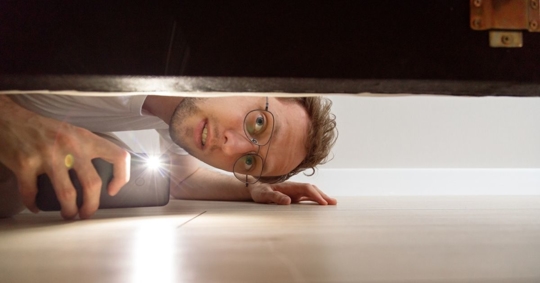
Your home is likely your biggest investment, and protecting it from silent destroyers should be at the top of your priority list. Termites cause billions of dollars in damage across the United States every year, often going unnoticed until significant structural harm has already occurred. The good news? Catching termite activity early can save you thousands of dollars and spare you the stress of major repairs.
Don't wait until it's too late—if you notice any warning signs of termite activity, contact A Step Above Pest Control & Termite today through our online contact form or call (323) 716-1725 for a thorough inspection.
What Makes Termites Such a Serious Threat?
Termites work quietly behind walls, under floors, and within wooden structures, consuming cellulose found in wood 24 hours a day. Unlike other household pests that you might spot occasionally, termites remain hidden while they systematically weaken your home's structural integrity. A single colony can contain hundreds of thousands of termites, all working together to compromise the wood that holds your house together.
In Southern California's climate, termites remain active year-round, which means your home faces constant exposure to potential infestation. The combination of mild temperatures and occasional moisture creates ideal conditions for these destructive insects to thrive. Older homes with wooden siding, frames, or foundations face particularly high risk, but no structure with cellulose-based materials is completely immune.
Visible Mud Tubes on Exterior Walls or Foundation
One of the most telltale signs of termite presence comes in the form of mud tubes—narrow, tunnel-like structures that termites build to travel between their colony and food sources. These tubes typically measure about the width of a pencil and appear along foundation walls, in crawl spaces, or on exterior surfaces.
Subterranean termites, the most common type in our region, build these protective tunnels to maintain the moisture levels they need to survive while moving between soil and wood. The tubes consist of soil, wood particles, and termite saliva, creating a highway system that shields them from predators and dry air.
If you spot these mud tubes, don't simply break them off and assume the problem is solved. Termites can quickly rebuild their passageways, and destroying the tubes only alerts them to construct new routes. Instead, document what you've found and contact a professional who can assess the full extent of the infestation.
Hollow-Sounding Wood and Structural Damage
When you tap on wooden beams, door frames, or baseboards in your home, they should produce a solid, firm sound. If instead you hear a hollow, papery noise, termites may have already consumed the interior wood while leaving a thin outer shell intact. This hollowing effect occurs because termites eat wood from the inside out, making damage difficult to detect with a simple visual inspection.
You might also notice:
- Floors that feel springy or unusually soft when you walk across them
- Doors and windows that suddenly stick or become difficult to open and close
- Baseboards or trim that crumble when you apply light pressure
- Sagging ceilings or buckling support beams
These structural changes happen gradually, which is why homeowners often attribute them to normal settling or aging of the house. However, when wood loses its structural integrity due to termite damage, the problems will only worsen over time. What starts as a slightly sticky door can eventually become a safety hazard if support beams become too compromised.
Pay special attention to areas where wood contacts soil or concrete, as these junction points provide easy access for subterranean termites. Wooden deck posts, porch supports, and wooden stakes in your garden can all serve as entry points into your home's main structure.
Small Piles of Frass Near Wooden Surfaces
Drywood termites, another species common in Southern California, leave behind telltale piles of their excrement, known as frass. Unlike subterranean termites that use their waste to build mud tubes, drywood termites push their droppings out of small holes in the wood they're consuming. This creates small piles of what looks like sawdust or coffee grounds near affected areas.
Frass has a distinctive appearance—tiny, pellet-shaped granules that are typically tan or brown in color. You might find these piles on windowsills, along baseboards, or beneath furniture that sits against walls. The presence of frass indicates active termite feeding, meaning the colony is currently consuming wood in your home.
Don't confuse frass with regular sawdust from construction or furniture wear. Termite droppings have a uniform, hexagonal shape when examined closely, and they accumulate consistently over time rather than appearing as a one-time occurrence.
Discarded Wings Near Entry Points
Termite swarmers—the reproductive members of a colony—emerge during certain times of the year to mate and establish new colonies. After finding a suitable location, these winged termites shed their wings, which they no longer need. Finding small piles of discarded wings near windowsills, doorways, or light fixtures strongly suggests that termites have chosen your property as their new home.
These wings are delicate, translucent, and approximately equal in length. You might find them scattered on the floor, stuck in spider webs, or collected in corners where they've been swept by air currents. Swarming typically occurs in spring and summer, though Southern California's mild climate can trigger swarming events at other times.
The appearance of swarmer wings means a mature colony exists nearby—either in your home already or close enough that swarmers identified your property as suitable for colonization. Even if you only spot a few wings, this warrants immediate attention from pest control professionals who can determine whether an active infestation exists.
Blistering or Bubbling Paint
Paint that bubbles, blisters, or peels away from wooden surfaces can indicate moisture damage—but it can also signal termite activity underneath. As termites consume wood, they create galleries and tunnels that can trap moisture and disturb the smooth surface beneath paint or wallpaper. This creates an uneven texture that causes paint to separate from the wood.
While peeling paint often results from water damage or poor application, the pattern matters. Termite-related paint damage typically appears in isolated spots rather than large, uniform areas. You might also notice that the affected areas feel slightly soft or spongy when pressed, unlike standard paint failure which occurs on still-solid wood.
This sign becomes particularly meaningful when combined with other indicators on this list. A single area of bubbling paint might not cause alarm, but if you also notice mud tubes or hollow-sounding wood, the evidence points more strongly toward termite activity.
Clicking Sounds Within Walls
If you press your ear against a wall and hear faint clicking or rustling sounds, you might be listening to termites at work. Soldier termites bang their heads against wood and shake their bodies to signal danger to the colony, creating audible clicking noises. Additionally, worker termites making their way through wood produce subtle munching sounds.
These noises are typically most noticeable at night when your home is quiet and termites are actively feeding. The sounds are faint and easily missed amid normal household activity, but in a silent room, they become more apparent. You're most likely to hear these sounds near infested areas where termite activity is concentrated.
While not every termite infestation produces audible sounds, hearing clicking within your walls should prompt further investigation. This sign indicates a well-established colony with enough members to create noticeable noise.
Tight-Fitting Doors and Warped Window Frames
When doors suddenly become difficult to open or windows no longer close properly, most people assume humidity or house settling is to blame. While these factors can certainly affect how well doors and windows operate, termites can cause similar problems through their activity and the moisture they produce.
Termites create humidity as they tunnel through wood, and this excess moisture causes wood to swell and warp. Additionally, as termites consume wooden door frames and window casings, the structural changes can cause these elements to shift out of alignment. What feels like a minor inconvenience—a door that needs an extra push to close—could actually be your home's first warning that termites are present.
Check the wooden components of your doors and windows for other signs, such as visible damage, hollow sounds when tapped, or small holes. If multiple doors or windows around your home suddenly develop fitting problems without an obvious cause like a recent rainstorm, schedule an inspection to rule out termite damage.
Taking the Next Step: Professional Inspection and Treatment
Recognizing these early warning signs gives you the power to act before termites cause extensive damage to your home. Many homeowners put off addressing potential termite problems because they hope the signs will disappear or prove to be something less serious. Unfortunately, termites never simply go away on their own—they continue working until they're eliminated through professional termite control measures.
The most effective approach combines thorough inspection with targeted treatment based on the specific termite species and extent of infestation present in your home. Different termite types require different treatment strategies, and accurately identifying what you're dealing with is the critical first step.
Your home deserves protection from these silent destroyers, and early detection makes treatment more straightforward and typically less expensive. Small infestations caught quickly can often be addressed before they compromise structural elements that would require costly repairs to replace.
Protect Your Home From Termite Damage Today
If you've noticed any of these warning signs—or if it's simply been a while since your last termite inspection—now is the time to take action. A Step Above Pest Control & Termite serves homeowners throughout West Hollywood, Beverly Hills, and surrounding areas with comprehensive inspections and effective treatment options. Our team understands the specific termite threats facing Southern California homes and can provide the solutions your property needs.
Don't let termites continue damaging your investment—reach out through our online contact form or call (323) 716-1725 to schedule your inspection.